
prices from £350
Minor Surgery & Skin Lesion Removal in London
about the treatment
What Is Minor Surgery?
Minor surgery involves removing benign skin lesions or lumps using simple surgical techniques under local anaesthetic. These procedures are quick, require no hospital visit, and are suitable for both medical and cosmetic concerns.
Our approach ensures:
Comfortable treatment with the area completely numbed
Comfort & Anaesthesia
Precise removal with careful attention to cosmetic outcome
Surgical Accuracy
Clear aftercare and follow-up guidance
Guided Recovery
Same-day treatment for suitable cases
Rapid Access


treatments
What We Treat
Patients often ask if a private GP can remove moles and skin lesions — yes, our doctor is fully trained and experienced in these procedures with excellent results.
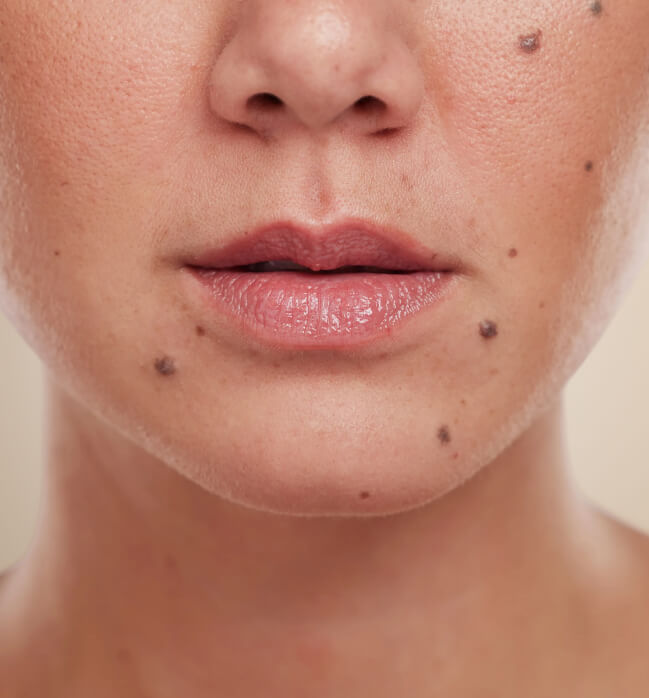
Mole Removal (up to 7mm diameter)
£350 – one mole removal | £150 – each additional lesion treated on the same day
Skin Lesion Removal
£350 – one to five lesions per session | £500 – six to ten lesions per session
(INCLUDES REMOVAL OF: SKIN TAGS, SEBACEOUS HYPERPLASIA, AGE SPOTS, BLOOD SPOTS/HAEMANGIOMA, XANTHELASMA, SYRINGOMA, VERRUCA, DERMATOSIS PAPULOSE NIGRA, CHERRY ANGIOMA, VENOUS LAKE OF THE LIP)
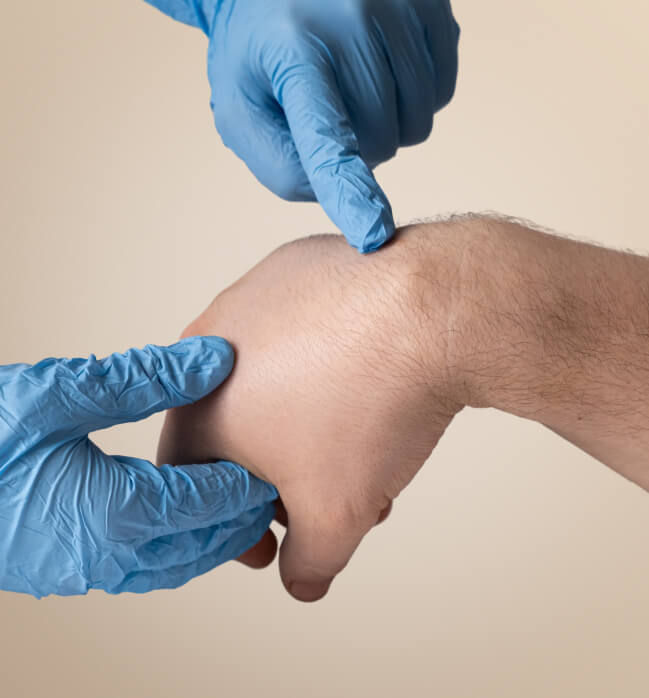
Cyst or Lipoma removal
from £400
Ingrown Toenail Treatment
from £400 – one nail
pricing
Minor Surgery & Skin Lesion Removal Cost
overview
Mole Removal
At Elyse Clinic, we provide safe, precise mole removal techniques designed to minimise scarring while combining medical expertise with cosmetic precision.
Whether your goal is aesthetic improvement or peace of mind, our experienced doctor ensures the procedure is handled with care and professionalism.
Moles are common skin growths composed of pigment-producing cells. They can appear anywhere on the body, vary in size and colour, and may be flat or raised.
Most moles are completely harmless. However, some people choose removal for medical reasons—if the mole changes in appearance or causes concern—or for cosmetic reasons if it affects confidence or comfort.
We offer professional mole removal methods chosen based on your skin type, mole characteristics, and medical indications:
Advanced Electrolysis – A targeted electrical current safely and gradually reduces the mole's size until it blends with surrounding skin. Ideal for small, raised, or cosmetic moles that are non-suspicious. Treatment is quick and leaves minimal marks.
Diathermy Removal – A fine medical probe with controlled heat energy precisely removes raised moles. This method allows accurate contouring and smooth cosmetic results, performed under local anaesthetic for maximum comfort.
Surgical Excision with Histology – For deeper or concerning moles, our doctor performs minor surgical excision under local anaesthetic. The mole is completely removed along with a small margin of surrounding skin and sent for histological laboratory analysis to confirm it is benign. Stitches may be required, and healing is typically straightforward with proper aftercare.
Every method is carried out in our sterile clinical environment using medical-grade instruments. The chosen technique depends on your consultation findings, desired outcome, and medical safety requirements.
Histology – If we believe there is any risk or concern, we will send the removed mole for histology, where it is examined under a microscope to check for abnormal cells. This ensures you receive safe, responsible, and appropriate care.
The price for histology is £150.
Healing time varies depending on the mole's size and removal technique:
-
Electrolysis or diathermy: The area usually heals within 7–10 days
-
Surgical excision: Stitches are typically removed after 7–14 days, with full healing taking a few weeks
The treated area may initially appear pink or slightly red but will fade gradually over time. Scarring is minimal, and we can recommend post-treatment scar-reduction options if desired.
Once healed, the mole should not regrow. If it does, a small follow-up treatment may be arranged to remove any remaining pigment cells.
-
Mole removal is a low-risk, straightforward procedure. However, like all skin treatments, minor risks include:
-
Mild swelling or redness
-
Temporary scabbing or bruising
-
Small scars or changes in pigmentation
-
Rare risk of infection if aftercare is not followed
-
Rare recurrence of mole tissue
All risks are fully discussed during your consultation, and our team is available for guidance throughout your recovery.
-
overview
Skin Lesion Removal
At Elyse Clinic, we provide safe, effective removal of benign skin lesions using advanced techniques tailored to the lesion type, size, and location.
Our experienced doctor ensures minimal scarring and excellent cosmetic outcomes in a sterile clinical environment.
Skin lesions are various types of marks, growths, or discolourations that appear on the skin. While most are benign and harmless, they can cause cosmetic concern, physical discomfort, or catch on clothing and jewellery.
Common reasons for removal include unwanted appearance, irritation from friction, or simply wanting clearer, smoother skin. Some lesions may also require assessment to rule out any changes or abnormalities.
We treat a range of common benign skin lesions, each with distinct characteristics:
-
Sebaceous Hyperplasia – Small, yellowish bumps caused by enlarged oil glands, typically appearing on the forehead, nose, or cheeks. Harmless but can be cosmetically bothersome.
-
Age Spots (Solar Lentigines) – Flat, brown pigmented marks caused by sun exposure over time. Common on hands, face, shoulders, and arms. Purely cosmetic concern.
-
Blood Spots / Haemangioma (Cherry Angiomas) – Small, bright red or purple spots caused by dilated blood vessels. Can appear anywhere on the body and increase with age.
-
Xanthelasma – Soft, yellowish plaques that develop on or around the eyelids. Caused by cholesterol deposits beneath the skin. Usually symmetrical and may indicate high cholesterol levels.
-
Verruca – A type of wart caused by HPV virus, typically appearing on feet (plantar warts). Can be painful when walking due to pressure. Contagious through direct contact.
-
Venous Lake of the Lip – A dark blue or purple soft spot on the lip caused by a dilated vein. Harmless but can be cosmetically concerning, especially on the lower lip.
Each of these lesions requires appropriate assessment and tailored removal technique for optimal results.
-
We offer several professional removal methods chosen based on your specific lesion and skin characteristics:
-
Cryotherapy (Freezing) – Liquid nitrogen is applied to freeze the lesion, causing it to blister and fall off naturally within 7–14 days. Ideal for superficial lesions like age spots, blood spots, and some warts. Quick treatment with minimal downtime.
-
Advanced Electrolysis – A fine probe delivers controlled electrical current to precisely remove small raised lesions. Excellent for skin tags, sebaceous hyperplasia, and minor vascular lesions. Treatment is quick with minimal marking.
-
Diathermy – Controlled heat energy via a medical probe removes lesions with precision. Suitable for slightly larger or raised lesions requiring careful contouring. Performed under local anaesthetic for comfort.
-
Surgical Excision – For deeper, larger, or concerning lesions, our doctor performs surgical removal under local anaesthetic. The lesion is completely excised and can be sent for histological analysis if recommended. Stitches may be required.
The chosen technique depends on the lesion type, location, your skin type, and desired cosmetic outcome.
-
Healing time varies depending on the lesion type and removal method:
-
Cryotherapy: Lesion typically falls off within 1–2 weeks; full healing in 2–4 weeks
-
Electrolysis/Diathermy: Healing usually complete within 7–10 days
-
Surgical excision: Stitches removed after 7–14 days; complete healing in 3–4 weeks
The treated area may appear pink or slightly darker initially but will fade gradually. Scarring is minimal with proper technique and aftercare. Some pigmented lesions may require 2–3 sessions for complete clearance.
Most lesions do not recur once properly removed. For viral lesions like verrucas, there is a small chance of recurrence if the virus remains active in surrounding tissue.-
Proper aftercare ensures optimal healing and minimal scarring:
-
Keep the treated area clean and dry for the first 24–48 hours
-
Avoid touching, picking, or scratching the site
-
Apply prescribed antiseptic ointment as directed
-
Protect from sun exposure using SPF 30+ once the area has healed
-
Avoid swimming, saunas, and intense exercise for several days
-
Allow any scabs to fall off naturally
Our team provides detailed written aftercare instructions and is available for any questions during your recovery.
-
Skin lesion removal is generally safe with minimal risks. Potential side effects include:
-
Temporary redness, swelling, or tenderness
-
Minor scabbing or crusting during healing
-
Slight changes in skin pigmentation (usually temporary)
-
Small risk of infection if aftercare guidelines are not followed
-
Rare risk of scarring, particularly with deeper lesions
-
Possible recurrence for viral lesions (verrucas/warts)
All risks are discussed during your consultation, and our doctor will recommend the safest approach for your specific lesion.
-
overview
Cyst or Lipoma Removal
Cysts and lipomas are common benign growths that form beneath the skin. While harmless, they can cause discomfort, become inflamed, or affect your confidence depending on their size and location.
At Elyse Clinic, we provide expert surgical removal of both cysts and lipomas in a sterile clinical environment, ensuring complete excision with minimal scarring and low recurrence rates.
Cysts are round lumps filled with keratin, sebum, or other materials. The most common types are epidermoid cysts and sebaceous cysts, which may appear on the face, neck, scalp, back, or torso. They can occasionally become infected or inflamed, causing redness, tenderness, and swelling.
Lipomas are soft, fatty lumps that develop beneath the skin. They feel doughy to the touch, move slightly when pressed, and grow slowly over time. Lipomas are typically painless but may cause discomfort if they press on nerves or restrict movement.
We perform cyst and lipoma removal using minor surgical excision under local anaesthetic. This ensures you remain comfortable throughout the procedure while the area is completely numb.
The Procedure:
-
Preparation – The area is thoroughly cleansed and sterilised. Local anaesthetic is injected to numb the skin completely.
-
Excision – A small incision is made, and the entire cyst or lipoma—including its capsule—is carefully removed. Complete removal of the capsule is essential to prevent recurrence.
-
Closure – The incision is closed with fine sutures to support smooth healing and minimise scarring.
-
Dressing – A sterile dressing is applied to protect the area during initial healing.
The entire procedure typically takes 30–60 minutes depending on the size, depth, and location of the lump. You remain awake throughout but should feel no pain.
-
In certain cases, the removed tissue will be sent for histological examination—a microscopic analysis performed by a specialist pathologist.
Histology confirms whether the cyst or lipoma is benign and ensures no abnormal cell changes are present. While most lumps are harmless, this extra step provides valuable medical reassurance.
Your doctor will discuss whether histology is recommended or optional for your specific case during consultation.
The price for histology is £150.
Proper aftercare ensures smooth healing and the best possible cosmetic outcome.
Typical healing timeline:
-
Days 1–3: Dressing remains in place; mild tenderness may occur
-
Days 4–7: You can gently clean the area; some swelling is normal
-
Week 2: Stitches are removed (follow-up appointment scheduled); wound continues to heal
-
Weeks 3–4: Healing typically complete; scar begins to fade
Most patients resume normal daily activities within 1–2 days, though complete healing may take 2–4 weeks depending on the lump's size and location.
Scarring: Our surgical techniques are designed to minimise scarring. Small scars usually fade significantly over 6–12 months. We can recommend post-treatment scar-improvement options such as topical treatments or laser therapy if desired.
Recurrence: When the entire cyst capsule or lipoma is removed, recurrence is rare. Occasionally, incomplete removal may result in regrowth, which can be addressed with a follow-up procedure.
-
Once fully healed, the area where the cyst or lipoma was removed will be smooth and flat. Any scarring typically fades to a thin, pale line over time.
Patients report significant relief from discomfort, improved confidence, and satisfaction with the cosmetic outcome. Complete removal means the lump should not return, allowing you to move forward without ongoing concern.Cyst and lipoma removal is a safe, straightforward procedure. However, as with all minor surgical treatments, there are potential risks:
-
Mild swelling, redness, or bruising at the incision site
-
Temporary tenderness or tightness
-
Small risk of infection (reduced with proper aftercare)
-
Minor scarring or pigmentation changes
-
Rare recurrence if the cyst capsule is not completely removed
-
Rare allergic reaction to local anaesthetic or suture material
All risks are discussed in detail during your consultation, and our doctor takes every precaution to minimise complications and ensure quick recovery.
-
overview
Ingrown Toenail Treatment
we provide expert ingrown toenail surgery under local anaesthetic to permanently resolve the problem. Our experienced doctor carries out partial or total nail removal depending on unique conditions.
We take the time to assess your symptoms, explain the treatment clearly, and support you throughout the healing process so you can return to pain-free daily activities.
An ingrown toenail occurs when the edge of the nail grows into the surrounding skin, causing pain, redness, swelling, and sometimes infection. This common condition can make walking and wearing shoes extremely uncomfortable, affecting your daily activities and quality of life.
Ingrown toenails typically develop on the big toe but can occur on any toe. Left untreated, they can lead to persistent infection, abscess formation, or chronic inflammation.
Ingrown toenails develop for several reasons:
-
Improper nail trimming – Cutting nails too short or rounding the edges encourages the nail to grow into the skin.
-
Tight or ill-fitting footwear – Shoes that compress the toes can force the nail into surrounding tissue.
-
Injury or trauma – Stubbing your toe or repetitive pressure from sports can damage the nail.
-
Naturally curved nails – Some people have a genetic predisposition to curved or thickened nails.
-
Infection or fungal conditions – Previous nail infections can cause irregular nail growth.
-
We provide minor surgical procedures tailored to the severity and location of your ingrown toenail:
-
Partial Nail Avulsion (PNA) – The most common treatment where only the ingrown edge of the nail is removed. The base of the nail (matrix) may be treated with a chemical (phenol) to prevent that section from regrowing. This quick, effective procedure provides permanent relief with minimal downtime.
-
Total Nail Avulsion (TNA) – The entire nail plate is removed. Recommended for severely thickened, damaged, or repeatedly infected nails. The underlying nail bed is smoothed and cleaned. Depending on your condition, the nail may regrow naturally, or regrowth can be prevented permanently.
-
Nail Matrix Destruction – A chemical solution (phenol or sodium hydroxide) is applied to the nail matrix to permanently prevent regrowth of the problematic section. This ensures the ingrown edge will not return.
Your doctor will recommend the most appropriate technique based on the severity of your condition, nail structure, and treatment goals.
-
Consultation and Assessment – We examine your toe, discuss your symptoms and medical history, and explain your treatment options. If infection is present, antibiotics may be prescribed before surgery to reduce inflammation.
Procedure Day:-
Preparation – The toe is cleaned, sterilised, and local anaesthetic is injected at the base to numb the area completely. You remain awake but feel no pain.
-
Removal – The affected nail section (or entire nail) is carefully lifted and removed. If required, a chemical solution is applied to the nail matrix to prevent regrowth.
-
Dressing – The wound is dressed with sterile gauze and a protective bandage.
The entire procedure typically takes 30–45 minutes and is performed in our minor surgery treatment room.
-
Typical healing timeline:
-
Days 1–3: Dressing remains in place; mild throbbing may occur (manageable with paracetamol). Keep foot elevated to reduce swelling.
-
Days 4–7: Begin gentle salt-water soaks and apply fresh dressings as instructed.
-
Week 2: Wound forms a protective scab; pain usually resolved. Follow-up appointment scheduled.
-
Weeks 3–6: Skin gradually heals; scab falls away naturally.
Most patients return to desk-based work or light activities within 1–2 days. More active roles may require up to one week of modified activity. Complete healing typically takes 4–6 weeks.
If the nail matrix was destroyed for permanent removal, the area will heal with smooth skin. If not treated, a new nail will begin to regrow slowly over several months.-
Proper aftercare ensures smooth healing and prevents complications:
-
Keep the dressing dry and clean for the first 24–48 hours
-
Rest your foot and keep it elevated when possible to reduce swelling
-
After 48 hours, perform daily salt-water soaks (warm water with dissolved salt) for 10–15 minutes
-
Apply prescribed antiseptic ointment and fresh sterile dressing after each soak
-
Avoid tight-fitting shoes; wear open-toed sandals or loose footwear initially
-
Do not remove the dressing early or pick at the healing area
-
Avoid swimming, saunas, and intense exercise until the wound has fully healed
-
Take over-the-counter pain relief as needed (paracetamol or ibuprofen)
-
Attend your scheduled follow-up appointment for dressing change and healing assessment
If you notice increased pain, redness, swelling, pus, or develop a fever, contact the clinic immediately—early intervention prevents complications.
-
Once healed, you should experience:
-
Permanent relief from pain and inflammation
-
Improved comfort when walking or wearing shoes
-
Smooth, healthy toe once the area has fully healed
-
Reduced infection risk due to removal of the problematic nail edge
-
Restored confidence in foot hygiene and appearance
Many patients report wishing they'd had the procedure sooner, as ingrown toenail surgery dramatically improves daily comfort and mobility.
-
Ingrown toenail surgery is safe and low-risk when performed by a qualified professional. However, potential complications include:
-
Mild pain or throbbing once anaesthetic wears off (easily managed)
-
Minor bleeding through the dressing in the first 24 hours
-
Temporary swelling or tenderness
-
Small risk of infection (reduced with proper aftercare)
-
Rare allergic reaction to local anaesthetic
-
Regrowth of nail edge if the matrix wasn't completely treated
-
Temporary numbness or sensitivity in the treated toe
All risks are discussed fully during your consultation, and our doctor takes every precaution to minimise complications.
-
the procedure
How Does Minor Surgery Work?
Your GP examines the lesion and confirms suitability.
The area is numbed completely; you remain awake and comfortable.
The lesion is carefully removed using appropriate surgical technique.
Stitches may be used depending on size and location.
Clear instructions provided; most patients resume normal activities within 24–48 hours.
why clients love us
Why Choose Elyse Clinic for Skin Lesion Removal?
Professional Expertise
Our GMC-registered doctor has extensive experience in minor surgical procedures, ensuring safe removal and optimal healing.
Minimal Scarring
We use precise surgical techniques and careful closure methods to support clean, refined results.
Convenient Location
We're conveniently located for clients in Lewisham and around Deptford, Blackheath, Peckham, and Honor Oak.
Transparent Pricing
Clear, honest fees with costs confirmed before treatment. No hidden charges.
your questions answered
Frequently Asked Questions
Yes. Our GMC-registered doctor is fully trained in the safe removal of moles, lesions, and benign growths. You can book directly without an NHS referral.
Local anaesthetic ensures the area is completely numb. You may feel light pressure but not pain.
Most procedures take 20–45 minutes depending on size, type, and number of lesions.
Yes — the area is completely numbed for your comfort throughout the procedure.
Some scarring is expected, but careful surgical technique helps minimise its appearance. Most scars fade significantly over 6–12 months.
Most patients return to normal activities within 1–2 days. Strenuous exercise should be avoided for 1–2 weeks depending on the procedure site.
Not always. Your GP will advise based on the size and location of the lesion.
We can safely remove most benign lesions including moles, skin tags, cysts, lipomas, warts, verrucas, age spots, xanthelasma, and more.
Prices start from £350 for simple lesions. All costs are confirmed during your consultation before proceeding.
book online
Book Your Consultation
If you're ready to remove a bothersome lesion, cyst, or lipoma — or need treatment for an ingrown toenail — our clinic provides safe, precise, and professional minor surgery.
recommended
Explore Other Treatments

overview
Our minor surgery service offers safe, effective removal of benign skin lesions, cysts, lipomas, and ingrown toenails — all performed under local anaesthetic by an experienced GMC-registered GP in Lewisham. We provide quick appointments, clear treatment guidance, and excellent cosmetic and medical outcomes with minimal downtime.
treatment time
20–45 min
Sessions required
Individual
Duration of results
Permanent removal
Anaesthetic
Local anaesthetic